
“Do you enjoy the course?” Yes. Without hesitation.
That was Hailey’s answer when we sat down with her on camera recently — and honestly, it’s the kind of answer that says more than any brochure could.
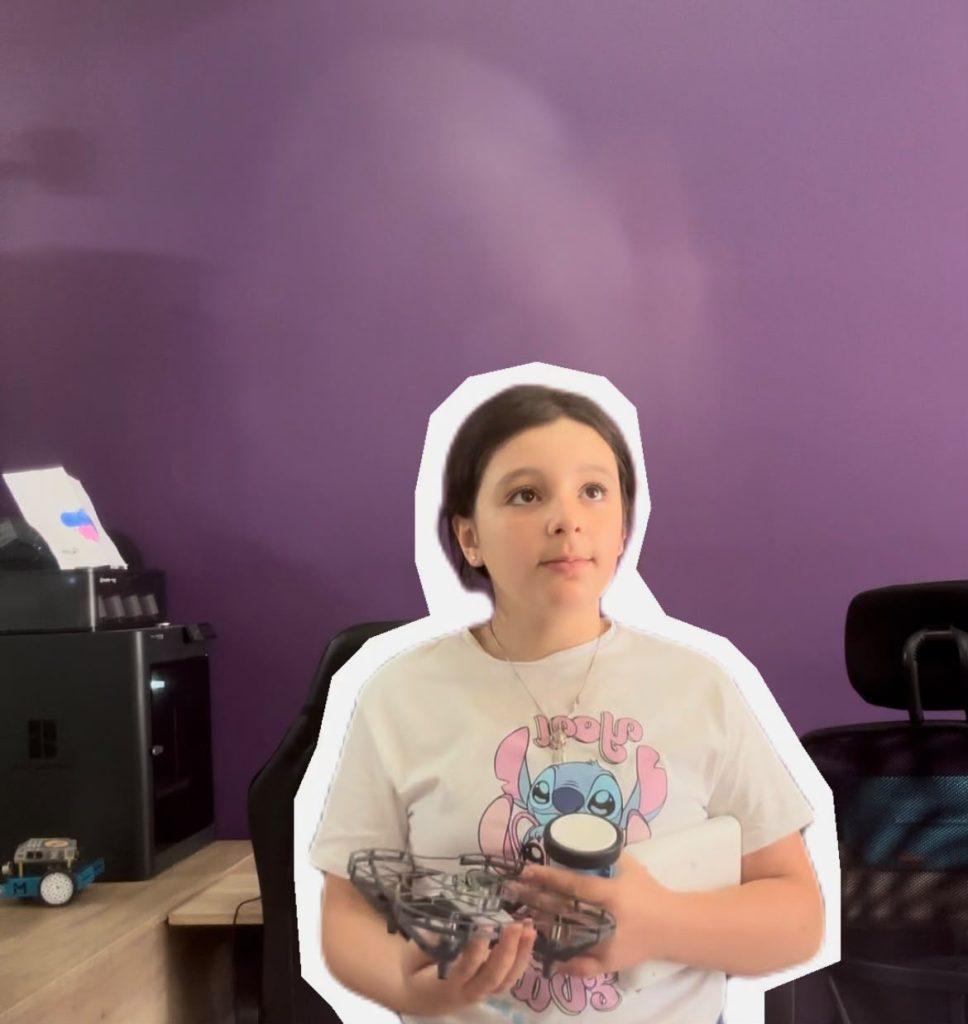
Hailey is one of our young STEM learners here at Nobel Courses in Birkirkara. She’s part of our robotics programme, and in a short video we shared on social media, she told us exactly what she’s been getting up to. Her words — unscripted, unprompted — are worth sharing in full.
“The Drones, the 3D Printing, and the Coding”
When we asked Hailey what her favourite parts of the course were so far, she didn’t have to think for long.
Drones. 3D printing. Coding.
Three things that, not long ago, would have sounded like they belonged in a university lab or a tech startup. Now they’re part of a regular Tuesday afternoon for an 8-to-13-year-old in Malta.
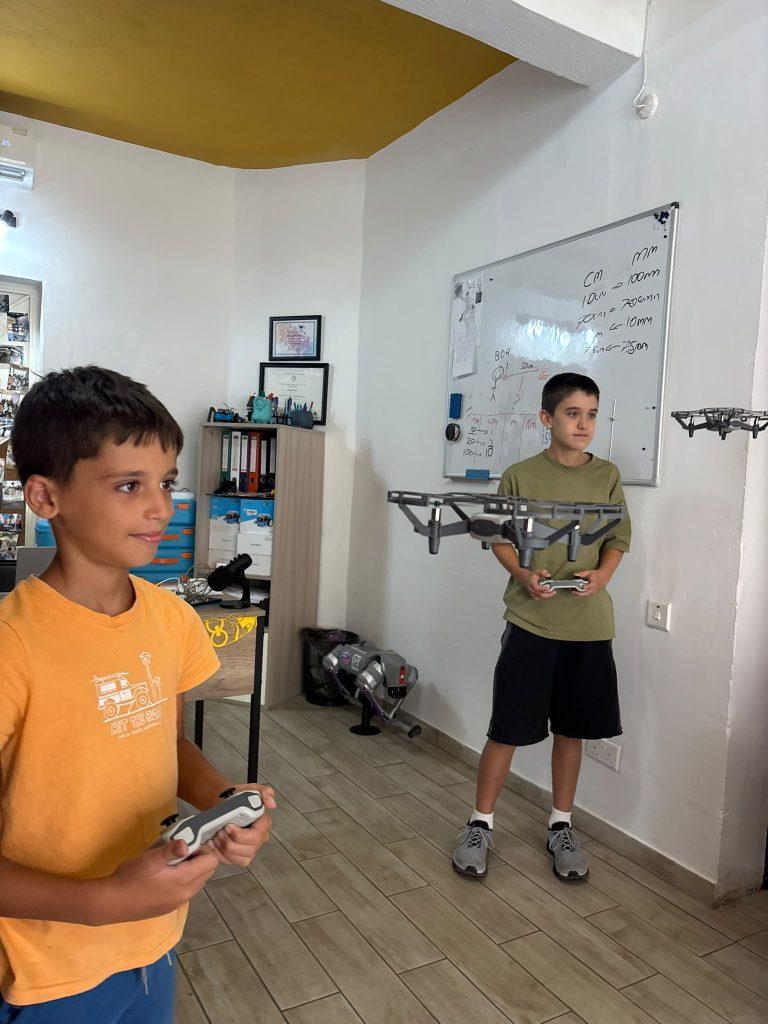
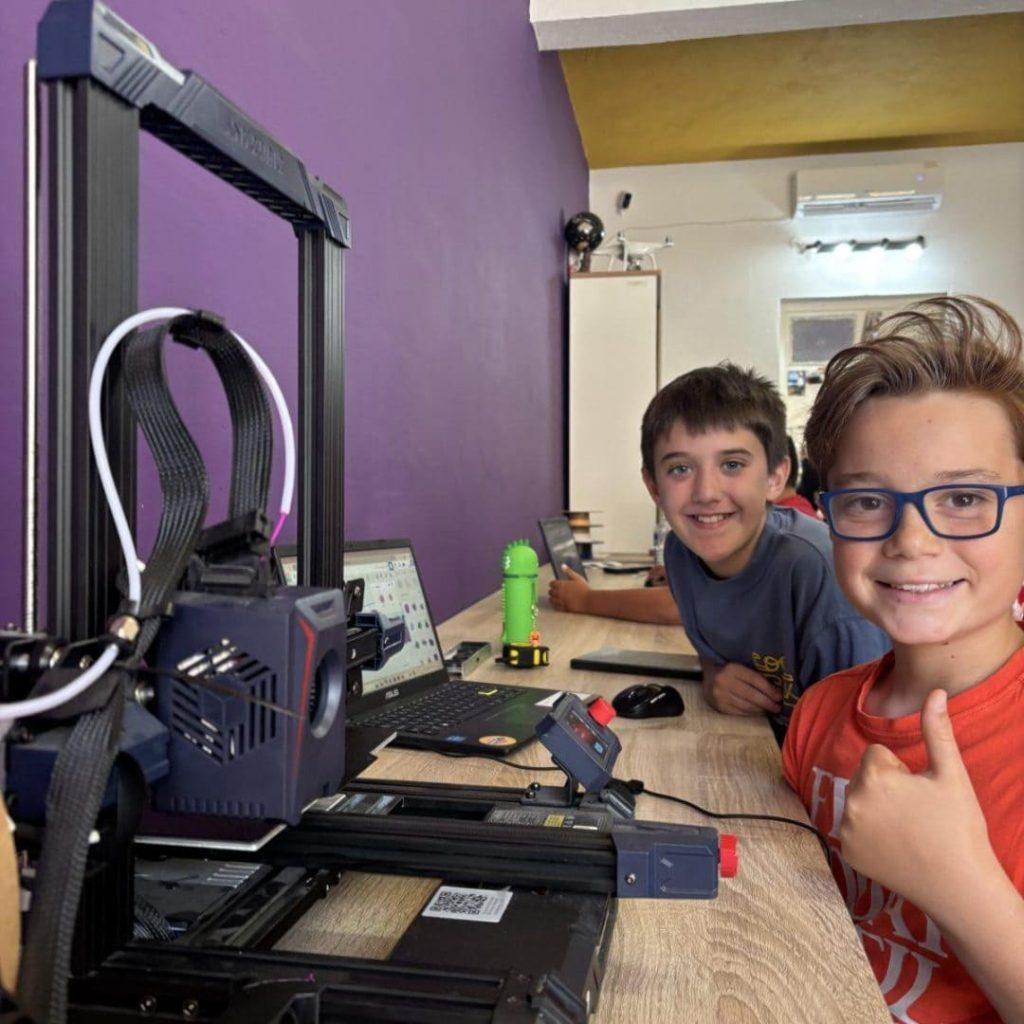
What makes this work isn’t just the technology itself — it’s the way students like Hailey are actually using it. She’s not watching someone else operate a drone. She’s coding it herself.
How Do You Actually Make a Drone Move?
We asked Hailey that exact question: how did we make the drones and robots work?
Her answer was precise: “Using a tablet or the laptops over there on the tables — we have this app that we code them with.”
And then, without missing a beat: “Are you enjoying coding?” Yes.
There’s something important in that exchange. Coding is often presented to children as a subject — something to study, something to pass a test in. What Hailey describes is different. She’s using code to make something physical move through the air. The code has a consequence she can see and feel. That changes everything about how it lands.
What the Robotics Programme Actually Covers
The Nobel Courses robotics programme is built for children aged 8 to 13, right here in Birkirkara. The core idea is simple: children learn best when the outcome matters to them.
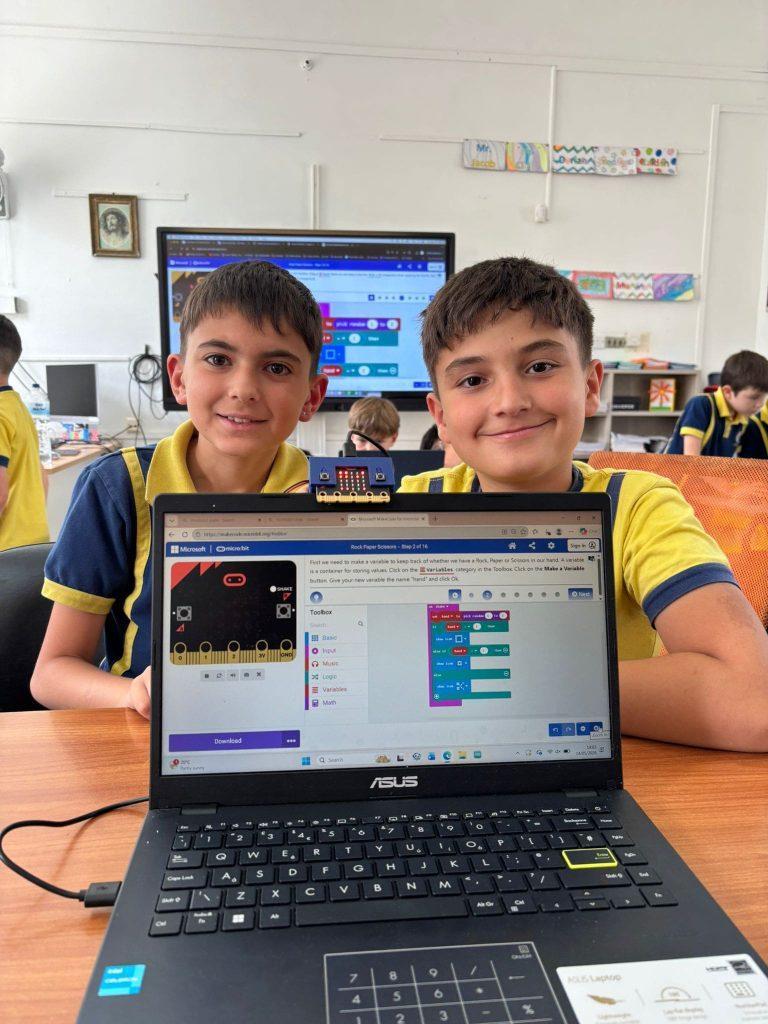
Over the course, students work through coding and programming fundamentals — not in the abstract, but applied immediately to real robotic systems they assemble and test themselves. They get into sensor integration, controller design, 3D printing, and collaborative challenges that build both technical skills and the kind of confidence that comes from solving a hard problem with a team.
Students who complete the programme receive an official certificate recognising their coding, computer, and engineering skills — something concrete to point to.
This summer, we’ve also invested in brand-new robotics kits and drones — recently upgraded equipment that students are already getting their hands on. We keep investing in the newest technology because the world your child is growing up in moves fast, and we want them ahead of it.
Why This Matters More Than You Might Think
There’s a version of “kids and technology” that means handing a child a screen and walking away. This isn’t that.
What we see consistently at Nobel Courses are the outcomes that actually stick: stronger logical thinking, greater confidence in problem-solving, and a real understanding of how technology works — not just how to swipe through it.
Hailey isn’t learning about drones. She’s learning how to think like someone who builds them.
That’s a different skill set entirely, and it travels with her far beyond any single course.
A Few Spots Left for Summer 2026
Summer applications are closing soon. If your child is curious, loves building things, or just wants to spend their summer doing something genuinely interesting — this is worth looking at.
Apply here now before spaces close
Want to hear Hailey describe her experience in her own words? Watch the video here.