
At Nobel Courses, we believe that what kids learn matters just as much as how they learn it. And a big part of that “how” comes down to the tools in their hands. That’s why we keep investing in new technology — not once and done, but regularly, deliberately, and with your child’s experience in mind.
The World Is Moving Fast. Education Should Too.
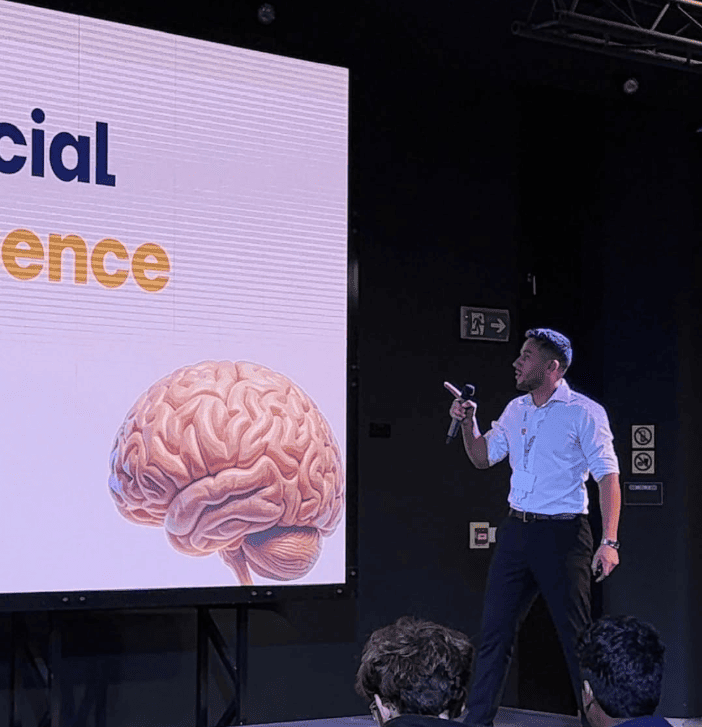
Think about how quickly technology has changed in just the last few years. AI, drones, virtual reality, robotics — these aren’t futuristic concepts anymore. They’re already part of the world your child is growing up in.
If we want kids to feel confident in that world rather than overwhelmed by it, they need to start getting comfortable with technology early. Not just reading about it — actually using it, building with it, making mistakes with it, and figuring things out.
There’s a big difference between a child who has read about robotics and a child who has built one, programmed it, and watched it respond to their own code. One has knowledge. The other has experience. And experience is what builds real confidence.
No Two Terms Are the Same
One thing that makes Nobel Courses a little different is that we don’t run the same lessons on a loop. We continuously update our curriculum alongside the technology we bring in — which means kids who join one term and come back the next will have a completely fresh experience.
So coming back is just as worthwhile as the first time — there is always something new to discover. And for those joining for the first time, no prior experience is needed. The course is designed to be beginner-friendly, so any child can jump straight in from day one.
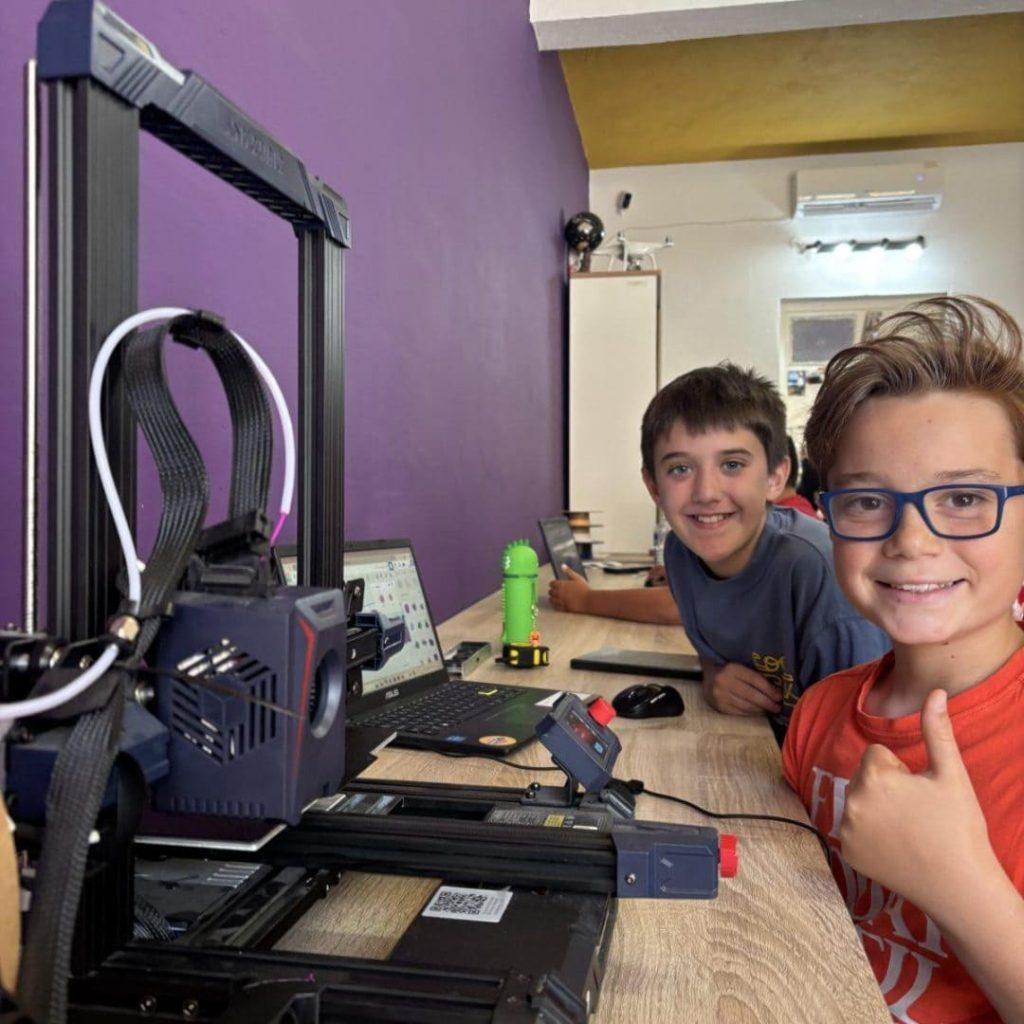
What Our Students Actually Work With
Our courses bring together a wide range of technology so that every child finds something that sparks their curiosity. Throughout the course, students get hands-on time with:
- Robotics — assembling and programming real robot kits, where the code they write determines how their robot moves and behaves
- 3D Printing — students design their own objects and watch them come to life layer by layer. It is one of the most tangible ways a child can experience the full journey from idea to creation, building spatial thinking and design skills along the way
- Sensors and electronics — learning how machines sense and respond to the world around them
- Engineering challenges — solving real problems by designing and building solutions
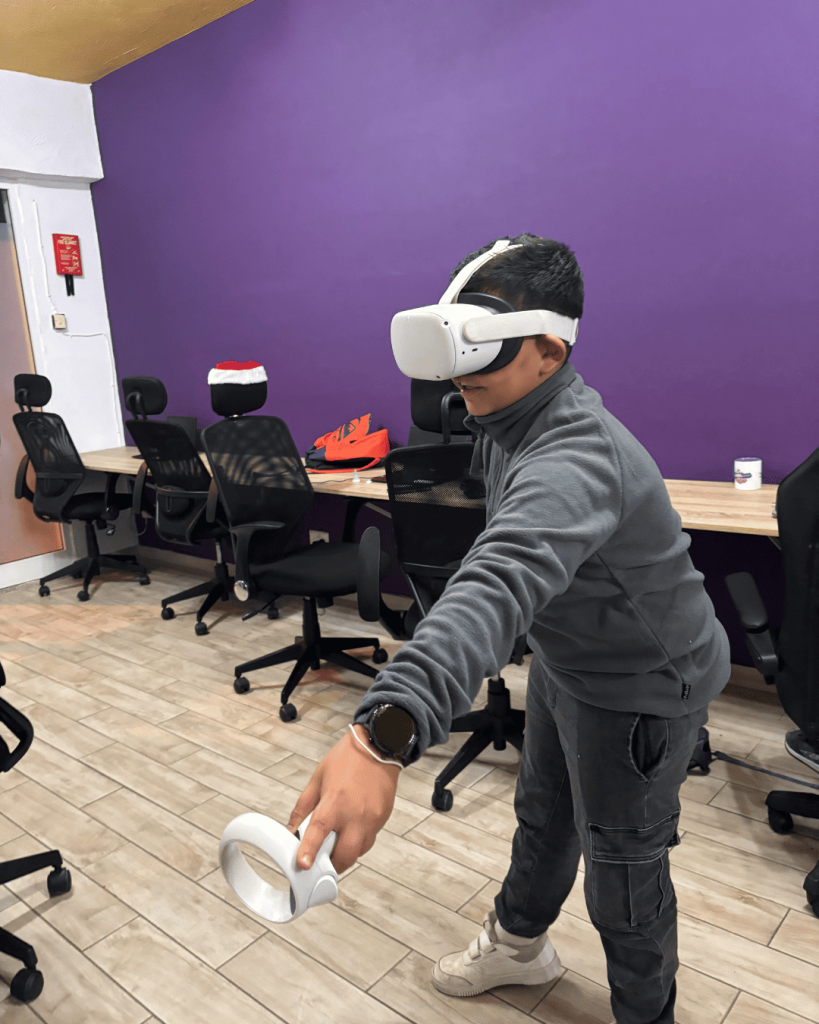
- Virtual reality — exploring immersive environments and understanding how VR works from the inside
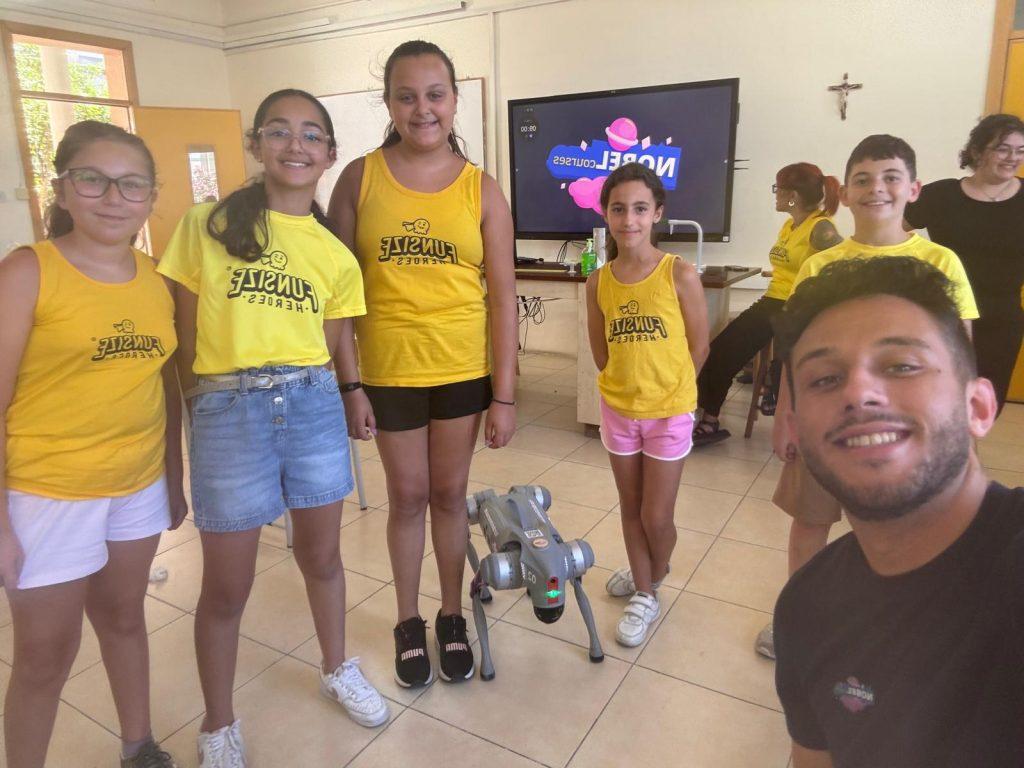
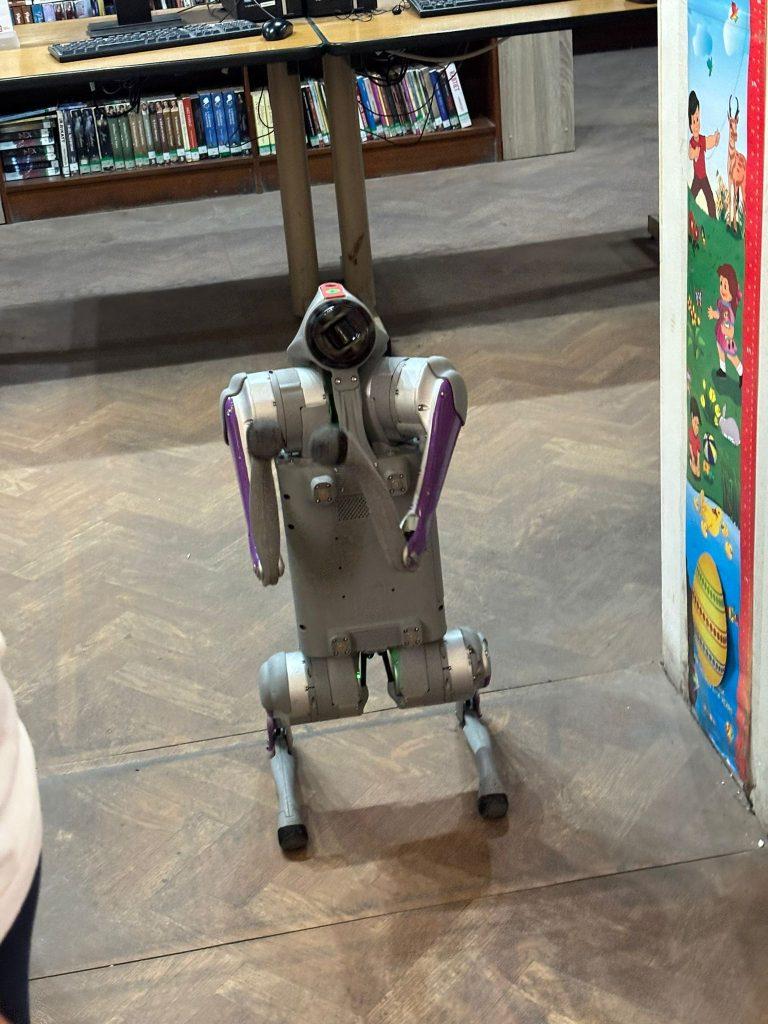
- Robot dog — a programmable robot that introduces kids to concepts like movement mechanics, sensor input, and autonomous behaviour in a way that’s immediately engaging and easy to connect with
Beyond the technology itself, what students take away goes much further. Every session is built around creativity, problem solving, and innovation — and because the work is hands-on and collaborative, kids also develop confidence and teamwork naturally along the way. The goal is simple: to move children from simply using technology to building it.
Everything in our classroom is safe for children and age-appropriate. Our educator is trained on every new piece of equipment before it ever reaches a student — so the experience is always guided, purposeful, and fun.
This Summer: New Kits and Drones
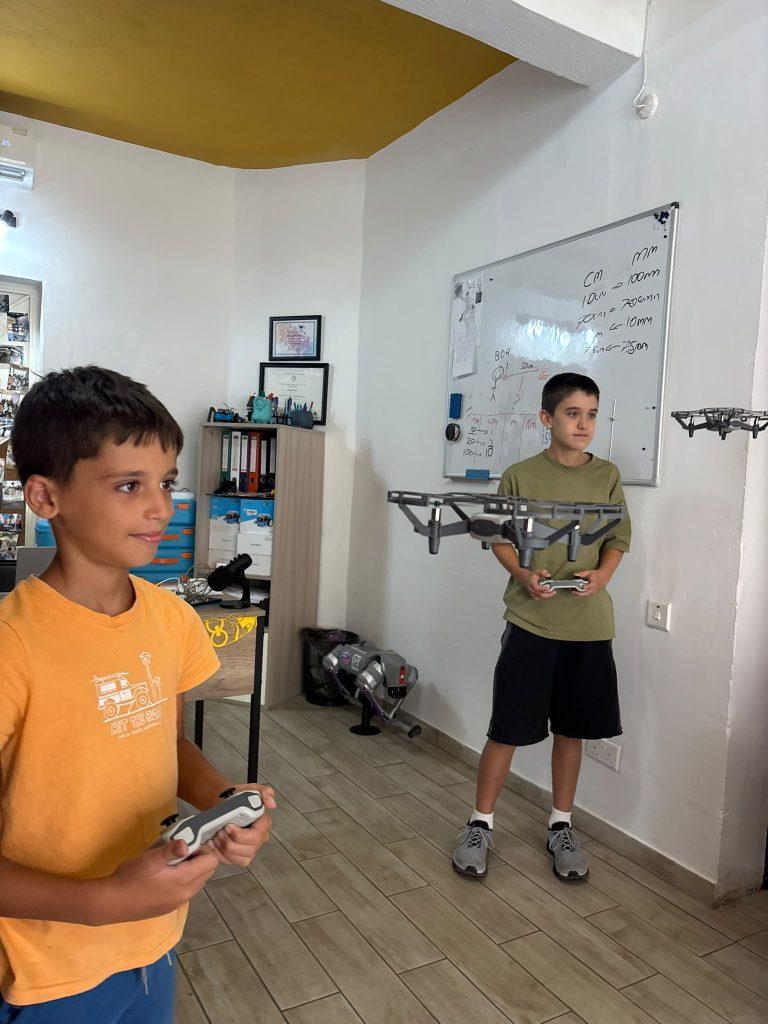
This summer we’re introducing some exciting new additions to the course — brand new robotics kits and drones that students will be coding themselves for the first time.
Programming a drone teaches spatial thinking, logical sequencing, and what it feels like to write code that controls something moving through real space. Paired with the new kits, this summer’s course gives students a hands-on experience with technology that’s genuinely current — the kind of skills that will feel familiar rather than foreign as they grow up.
Only a few spots are left for the summer course. If your child is curious, creative, or just loves the idea of spending their summer building and coding real technology — this is the place for them.
Apply for the Summer Robotics Course →
Want a quick overview? Watch the short video that inspired this article here.