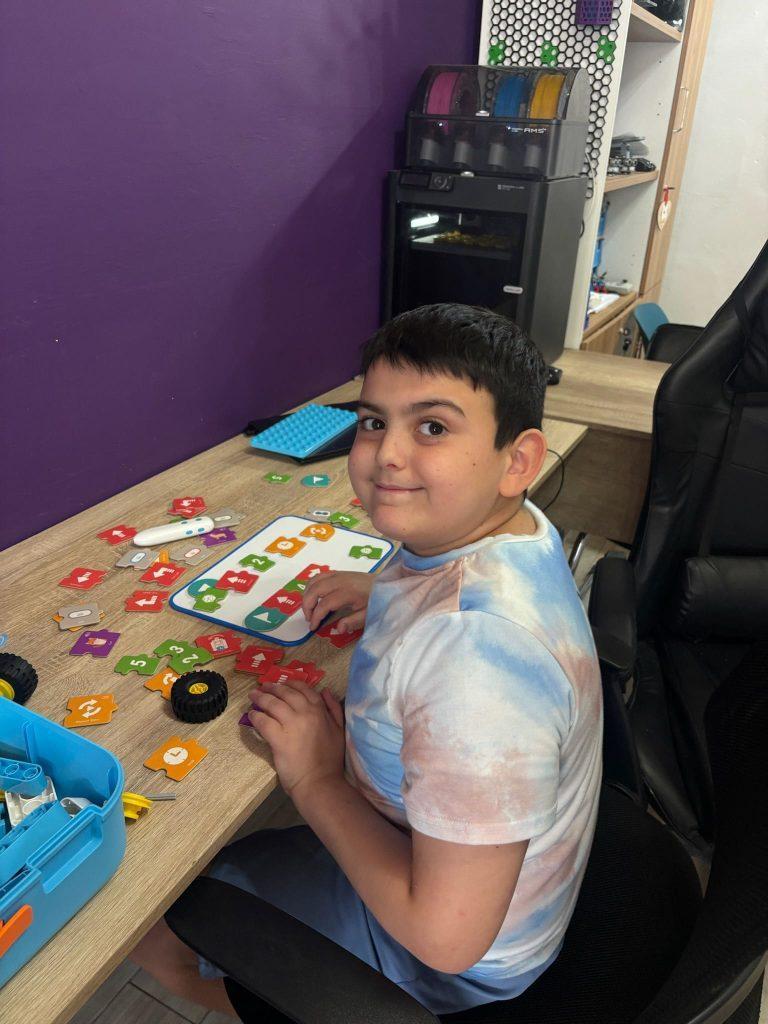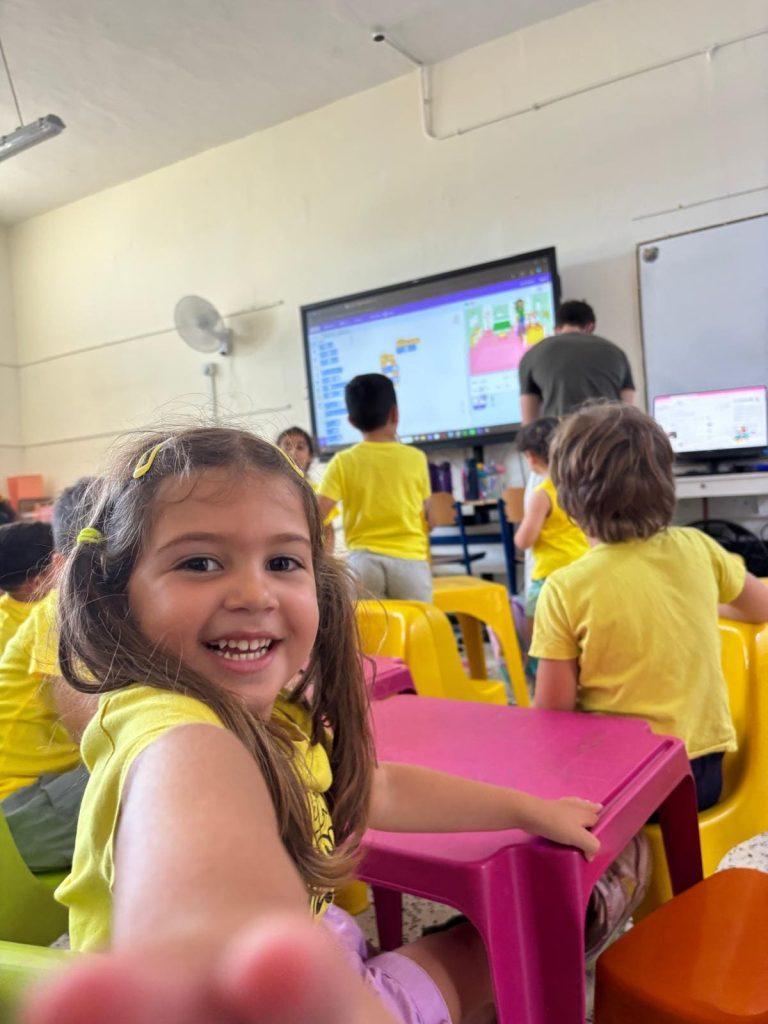

Every parent knows that endless stream of questions about how the world works. Whether a child is asking why traffic lights change colour, wondering how a toy moves on its own, or constantly trying to figure out what makes things tick, that natural curiosity is a powerful thing. It is not just a phase to manage; it is a spark worth building on.
That is precisely why Junior Robotics is being introduced: a hands-on course designed specifically for children aged five to seven, running right here in Birkirkara. By keeping our class sizes small, we create a fun, friendly environment where young learners can truly thrive.
What Junior Robotics Actually Looks Like
In this course, young learners get to build, test, and recreate ideas with their own hands. The curriculum introduces foundational concepts through a mix of unplugged coding activities, block-based engineering, and simple sensors. Together, these elements give children a well-rounded and age-appropriate introduction to how technology and problem-solving work in the real world.
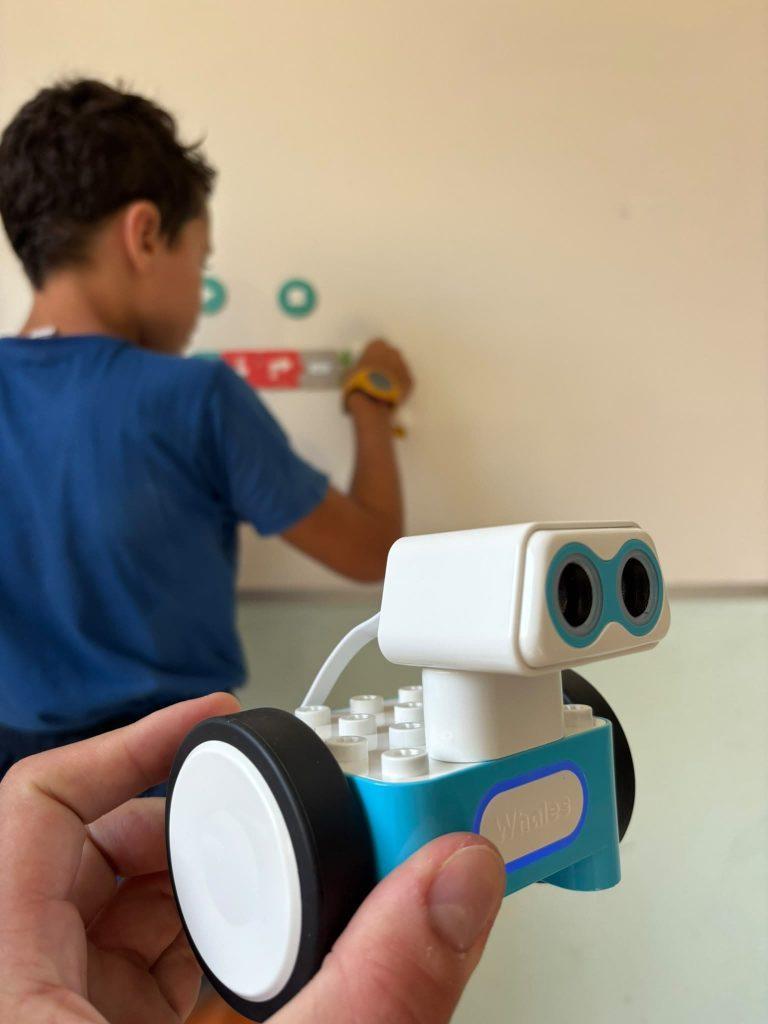
Unplugged Coding: Building Real Programming Skills
Before children ever need to navigate a screen or keyboard, they can learn the core principles of computer programming. Using cards, movement games, and simple step-by-step challenges, children learn real coding fundamentals in a way that fully aligns with their age and development. This includes learning essential skills like sequencing, basic algorithmic thinking, and troubleshooting errors.
Through these screen-free coding activities, children:
- Develop genuine programming logic through interactive play.
- Master early computational thinking without adding to their daily screen time.
- Learn patience, discovering that making a mistake is simply part of debugging a problem.
- Strengthen communication and collaboration by working alongside peers to give and follow precise instructions.
This stage shows children that they are fully capable of thinking like programmers from a very young age, building their confidence from the very start.
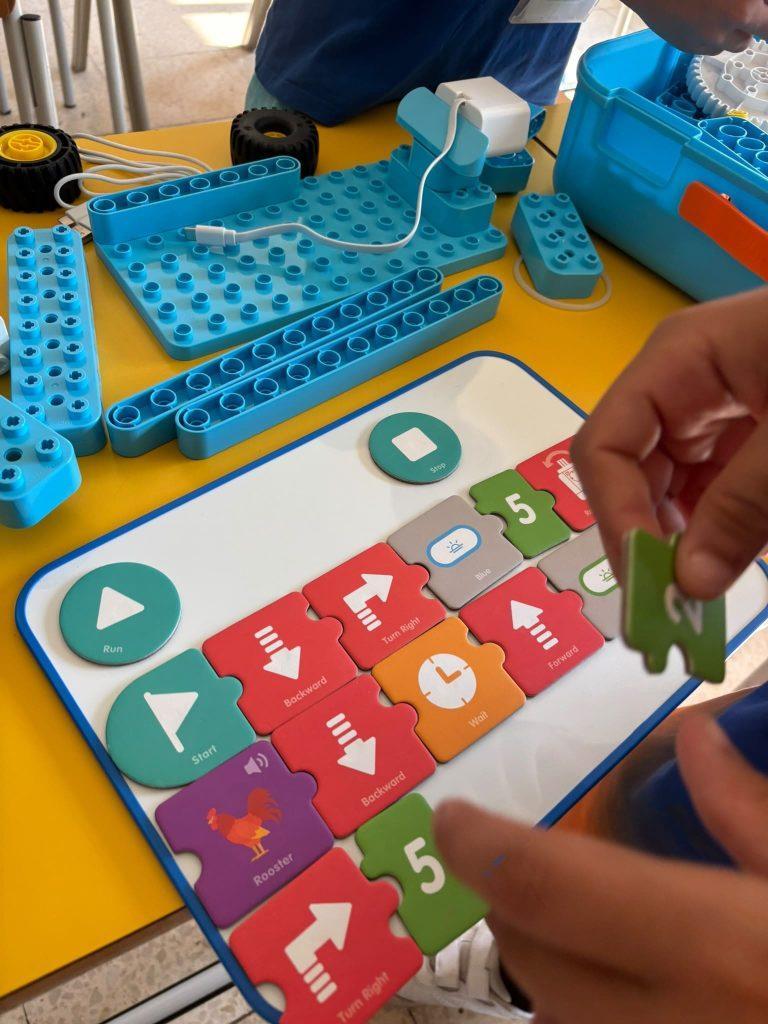
Engineering with Blocks: Learning by Building
Hands-on engineering gives children a chance to apply logical concepts by designing and constructing structural models. During these sessions, children work on activities like building steady towers, simple vehicles, or balanced frameworks, where every piece serves a clear purpose. These hands-on building challenges help children develop several key skills:
- Fine motor skills get a practical workout through detailed physical construction.
- Children grasp foundational physics concepts, like balance and weight distribution, through direct trial and error.
- Resilience grows naturally; if a model collapses, children learn to analyse why it happened and adapt their design.
- Teamwork develops as children share ideas, observe different approaches, and solve physical problems together.
Hands-on building turns abstract concepts into real-life understanding. When children build things themselves, physics and mechanics stop being complicated ideas and simply become fun challenges to solve.
Learning About Sensors: Where Robotics Comes to Life
Once children understand instructions and basic structure, simple sensors are introduced. These tools allow models to detect light, notice obstacles, or respond to physical touch. Suddenly, static builds transform into interactive creations that react to their environment.
- It demonstrates the concept of cause and effect in a clear, visible way.
- It demystifies technology, showing children that automated devices operate through clever design rather than magic.
- It sharpens practical problem-solving as children investigate why a sensor might not be triggering as expected.
- It plants an early interest in science and technology well before formal primary school lessons begin.
Enrol Your Child Today
If your child is ready to start exploring, complete our registration form to reserve a place in our Junior Robotics course. Fill out the form today to secure your child’s spot.